I Thought I Was Going Into Fashion. Instead, I Counted Buttons.
Behind the Seams
When people imagine working in fashion, they tend to picture beautiful fabrics, runway shows, glamorous showrooms, and people who somehow always look effortlessly put together.
My first day in the New York City Garment Center looked nothing like that.
It was 2009. I interviewed for a position in the showroom on the Upper East Side. It wasn’t exactly a scene from The Devil Wears Prada, but it was a pretty office in a location that felt like luxury. And if I’m being honest, the owner could have passed for Miranda Priestly herself.
Then I found out where I’d actually be working.
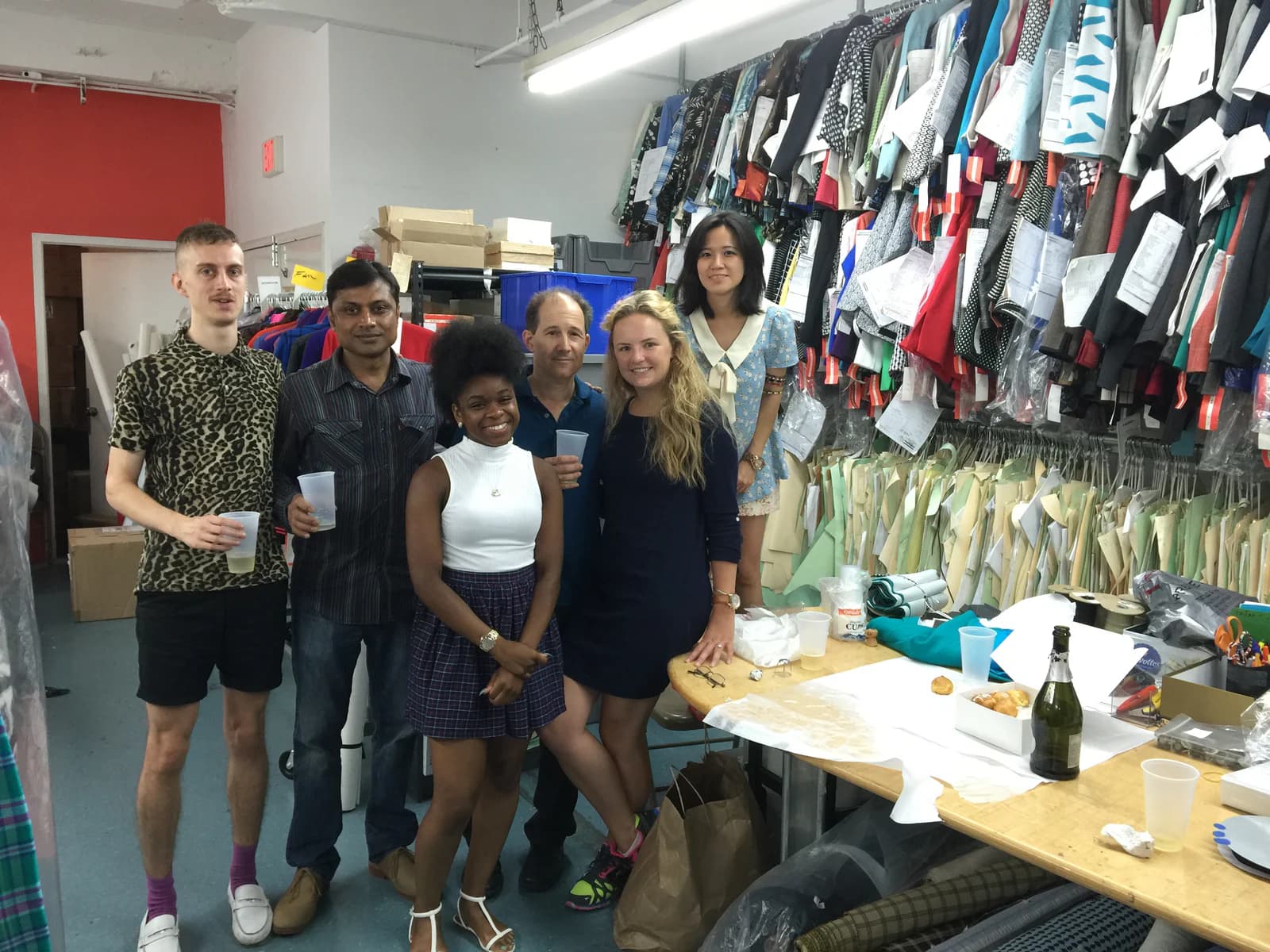
The production office was downtown, in the Garment Center. Think gray painted floors, patterns and jackets hanging from the walls, rolls of fabric stacked practically from floor to ceiling, and a collection of mismatched desks and chairs. Not quite the glamorous fashion world I’d pictured.
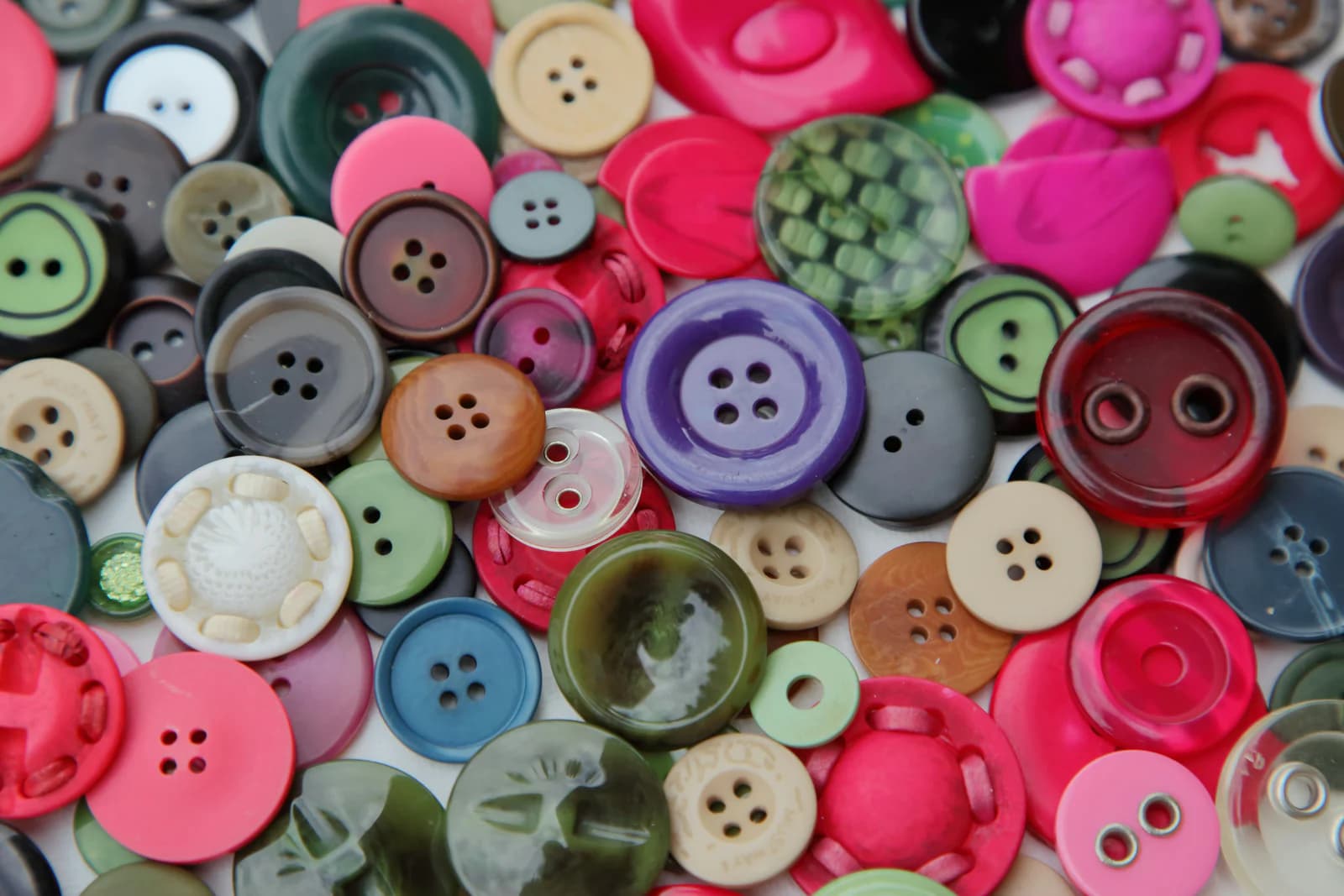
My first assignment? Counting buttons.
Hundreds of buttons. Box after box. And when the buttons were finally counted, there were zippers, rivets, snaps, and other trims waiting for me.
I remember thinking, What did I just get myself into? I went to college to count buttons?
I had no idea this was the beginning of a career that would eventually lead me to become Vice President of Production and Operations for a women’s fashion company.
But first, I had a lot to learn.
Five jackets, one subway, and a very grumpy Italian
After the button and trim inventory, my next assignment was to bring five jackets uptown for a fitting.
Yes, back to the pretty office.
I loaded those jackets into garment bags and schlepped them onto the subway in the middle of a New York summer, praying they wouldn’t wrinkle before we even got to the fitting.
And then there was the patternmaker.
He was old school Italian, incredibly talented, and quite possibly one of the grumpiest people I’d ever met. Nothing was easy. He’d look at me struggling with the garment bags, huff and puff, and shake his head with disappointment.
He wasn’t the only one. A few more Italian patternmakers came after him. Once I got past the judgment and the commentary, they taught me more than I could have imagined.
Larry, Mike, and Armando showed me how patterns worked, how garments were built, and how a fitting actually comes together. They taught me how to look at a jacket and understand why something wasn’t working, what needed to change, and how a small adjustment could make a significant difference in the final product.
They also showed me something less technical but just as important: how to work with a room full of very different personalities (sometimes angry), communicate clearly, and keep everyone focused on the same goal.
Even when everyone was grumpy.
The fitting was never the end of the job. Afterward, I’d schlep the jackets back downtown, write up the fit notes, work with the patternmakers on corrections, and get a new sample cut and sewn. Then we’d do it all over again, often against the clock before the owner left for her next trunk show.
A jacket might look like a simple piece of clothing hanging on a rack. But behind the scenes, it could involve an entire series of decisions, adjustments, and people working together to get it right.
And I was learning all of it, one fitting at a time.
The part of fashion you don’t see
Fashion is often romanticized from the outside. We see the finished product, the campaign, the model, the styling, and the label.
We don’t see the patternmaker shaking his head over an armhole that doesn’t sit correctly. We don’t see the sample that has to be remade, the fabric that needs adjusting, or the hours spent figuring out why a jacket looks great on one person but pulls in the wrong place on another.
We don’t see the people solving thousands of tiny problems before a garment ever makes it to a store.
That’s what working in production taught me: beautiful clothes don’t just happen. They’re made through a combination of skill, patience, problem-solving, and an almost obsessive attention to detail.
Over time, I went from counting buttons to overseeing the production and operations behind an entire women’s fashion business. What initially felt like a questionable career decision became the foundation of everything I know about clothing.
And eventually, I had the opportunity to see what happened when a company was willing to invest extraordinary time and attention into getting a garment right.
At Nina McLemore, I learned just how much work could go into a single jacket. It was nothing like simply putting a beautiful design on a hanger.
That experience changed the way I looked at clothes. It also changed the way I shop.
Because once you’ve seen what goes into making a garment, you start to understand that the real story isn’t always on the label.
More on that next time.
Here’s what all those years taught me.
I know how a garment is built. I can see why something pulls, gaps, or just looks off. And I know it’s usually the clothes, not your body.
That’s what I bring to every client. If your closet is full but nothing feels right, let’s talk. Book a free discovery call.
Want the next Behind the Seams story in your inbox? Join the newsletter. You’ll get it first, plus my monthly edits.
Want more stories like this? Read the blog.

Monika — founder, Not a Skinny Mom Project
Get new Notes from Monika in your inbox
A short note when something new is up. Nothing more.
Sign up for the newsletter (opens in a new tab)Monika — Not a Skinny Mom Project
Want more of this? Follow along on Instagram →